



Thermography : 열화상
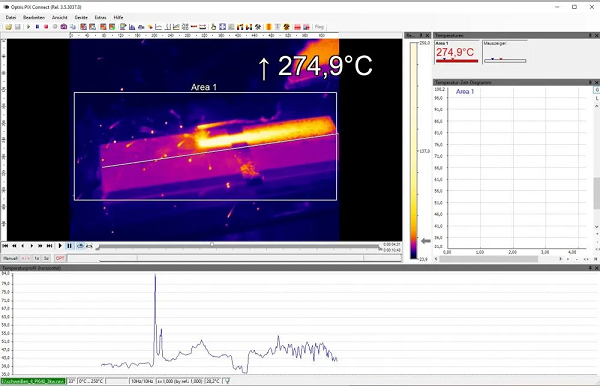
열화상(써모그래피)은 열 감지 영상이라고도 하며, 물체 표면의 온도 분포를 시각화하고 측정하는 기술입니다. 이는 적외선 카메라를 사용하여 물체에서 방출되는 적외선 복사를 감지하고 캡처합니다. 절대영도보다 높은 온도를 가진 모든 물체는 적외선 복사를 방출하기 때문에, 열화상은 물리적 접촉 없이 표면 온도를 정확하게 측정하는 데 사용될 수 있습니다.
이 과정은 적외선 카메라로 시작되며, 카메라는 시야 내 물체에서 방출되는 적외선 복사를 감지합니다. 그런 다음 카메라는 이 복사를 전자 신호로 변환하고, 이 신호를 처리하여 열화상(thermogram)이라 불리는 시각적 표현을 생성합니다. 이 열화상은 색상으로 코딩된 이미지로서, 서로 다른 색상이 서로 다른 온도를 나타내어 사용자가 물체 표면 전반의 온도 변화를 확인할 수 있게 합니다.
열화상은 정밀한 실시간 열 데이터를 제공할 수 있기 때문에 다양한 응용 분야에서 사용됩니다. 산업 분야에서는 전기 패널, 기계 시스템 및 기기와 같은 장비의 예방 유지보수 및 모니터링에 활용됩니다. 열점과 잠재적 문제를 고장으로 이어지기 전에 식별함으로써, 열화상은 비용이 많이 드는 가동 중단 및 수리를 방지하는 데 도움을 줍니다.
건축 및 건설 산업에서는 열화상을 사용하여 단열 결함, 누수 및 기타 구조적 문제를 감지합니다. 이는 건물에서 열이 손실되는 지점을 식별하여 단열 및 에너지 효율 개선을 위한 목표 지점을 찾아내는 에너지 감사에 도움을 줍니다.
의료 열화상은 또 다른 중요한 응용으로, 인체의 비정상적인 온도 패턴을 감지하는 데 사용됩니다. 이 비침습적 진단 도구는 염증, 감염 및 순환 문제와 같은 상태를 식별하는 데 도움을 줄 수 있습니다.
연구개발 분야에서는 열화상을 사용하여 재료 및 제품의 열 분포와 열적 특성을 연구합니다. 이는 정밀한 열 관리가 성능과 신뢰성에 필수적인 전자기기 개발 및 테스트에서 중요한 역할을 합니다.
열화상은 소방 및 구조 작업에서도 활용됩니다. 소방관들은 열화상 카메라를 사용해 연기를 통해 시야를 확보하고, 시야가 낮은 조건에서 사람을 찾으며, 화재의 근원을 식별합니다.
Thermography, also known as thermal imaging, is a technique for visualizing and measuring temperature distributions on the surface of objects. It employs infrared cameras to detect and capture the infrared radiation emitted by objects. Since all objects with a temperature above absolute zero emit infrared radiation, thermography can be used to measure surface temperatures accurately without any physical contact.
The process begins with an infrared camera, which detects the infrared radiation emitted by objects in its field of view. The camera then converts this radiation into an electronic signal, which is processed to produce a visual representation called a thermogram. This thermogram is a color-coded image where different colors represent different temperatures, allowing users to see variations in temperature across the surface of an object.
Thermography is used in various applications due to its ability to provide precise, real-time thermal data. In the industrial sector, it is employed for preventive maintenance and monitoring of equipment such as electrical panels, mechanical systems, and machinery. By identifying hot spots and potential issues before they lead to failures, thermography helps in avoiding costly downtime and repairs.
In the building and construction industry, thermography is used to detect insulation defects, water leaks, and other structural issues. It helps in energy audits by identifying areas where heat is escaping from a building, allowing for targeted improvements in insulation and energy efficiency.
Medical thermography is another significant application, where it is used to detect abnormal temperature patterns in the human body. This non-invasive diagnostic tool can help in identifying conditions such as inflammation, infections, and circulatory problems.
In the field of research and development, thermography is used to study heat distribution and thermal properties of materials and products. It plays a critical role in the development and testing of electronic devices, where precise thermal management is essential for performance and reliability.
Thermography is also utilized in firefighting and rescue operations. Firefighters use thermal imaging cameras to see through smoke, locate individuals in low-visibility conditions, and identify the source of a fire.