



Temperature Uniformity : 온도 균일도
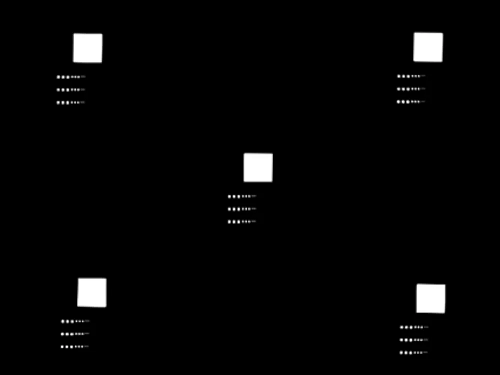
적외선 카메라의 온도 균일도는 시야 전체에 걸쳐 온도 측정의 일관성과 고르지 못함을 의미합니다. 이는 이미지 전체에서 온도를 정확하게 측정하고 표시하는 카메라의 능력을 나타내며, 이미지 내에서 같은 온도여야 하는 부분 간의 큰 편차 없이 일관된 판독값을 제공하는지를 보여줍니다. 온도 균일도가 좋으면 카메라는 동일한 온도여야 할 영역들 사이의 차이가 최소화된 일관된 판독값을 제공합니다. 또한 복사계측 적외선 카메라의 경우 온도 판독이 적외선 카메라의 시야 내 위치와 무관함을 의미하기도 합니다.
적외선 검출기 어레이의 각 픽셀은 제조 결함, 재료 불일치 또는 기타 요인으로 인해 동일한 양의 입사 적외선에 대해 약간 다른 반응을 보일 수 있습니다. 이로 인해 공간적 노이즈가 발생하여 이미지 전반에 걸쳐 온도 판독값이 고르지 못하게 되어 열화상 정확도와 품질이 저하됩니다. 비균일성 보정(NUC)은 이러한 픽셀간 변동을 보상하도록 카메라를 보정하여 온도 균일도를 향상시키는 것을 목표로 합니다. NUC 과정은 일반적으로 잘 알려진 온도의 균일 참조(예: 닫힌 셔터)를 촬영하는 것을 포함합니다. 적외선 카메라는 이러한 균일한 장면에 대한 각 픽셀의 반응을 계산하여 기대되는 균일 반응과의 편차를 식별합니다. 보정 계수는 이러한 측정값으로부터 도출되어 작동 중 원시 열 데이터에 적용됩니다. 이 과정은 각 픽셀의 출력을 조정하여 표준 응답에 맞추고 균일한 열 영상을 생성합니다.
Temperature uniformity for infrared cameras refers to the consistency and evenness of temperature measurements across the entire field of view. It indicates the camera’s ability to measure and display temperatures accurately without significant deviations across the image. Good temperature uniformity ensures the camera provides consistent readings, with minimal differences between parts of the image that should be at the same temperature. It also describes for radiometric infrared cameras that the temperature reading is independent from its position within the infrared camera’s field of view.
Each pixel in an infrared detector array might have a slightly different response to the same amount of incident infrared radiation due to manufacturing imperfections, material inconsistencies, or other factors. This results in spatial noise, manifesting as uneven temperature readings across the image, degrading the thermal image’s accuracy and quality. Non-uniformity correction aims to calibrate the camera to compensate for these pixel-to-pixel variations, thereby enhancing temperature uniformity. The NUC process typically involves capturing images of a uniform reference, such as a closed shutter, at a well-known temperature. The infrared camera then calculates the response of each pixel to these uniform scenes, identifying deviations from the expected uniform response. Correction coefficients are derived from these measurements and applied to the raw thermal data during operation. This process adjusts the output of each pixel, aligning it with the standard response and producing a uniform thermal image.